
Learning How to Address Cats
Old Possum's Book of Practical CatsThis flow follows the speaker’s argument from human assumptions about animals to a respectful, individualized etiquette for approaching a cat.
increasing Bearing strength in each event
 decreasing
Bearing strength in each eventdecreasingA Retrospective Lesson
A Retrospective Lesson
Knowledge Gathered
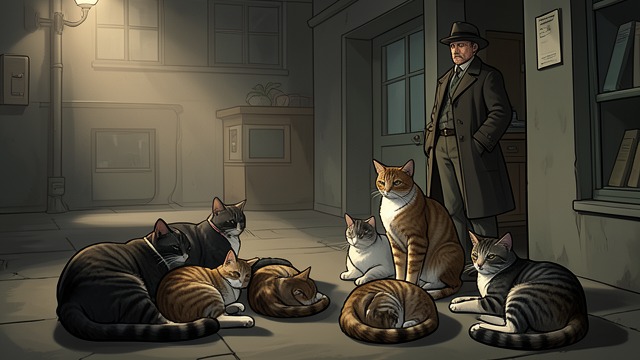
The speaker refers back to several kinds of cats already described.
Their different characters are presented as material for understanding.
The book’s accumulated portraits prepare a final practical question.
From Knowing to Addressing
Recognizing habits and names is not yet the same as speaking appropriately.
The speaker shifts from description toward social conduct.
The closing poem makes interpretation a matter of respectful behavior.
Cats Are Not Dogs
Cats Are Not Dogs
A Contrast in Temperament
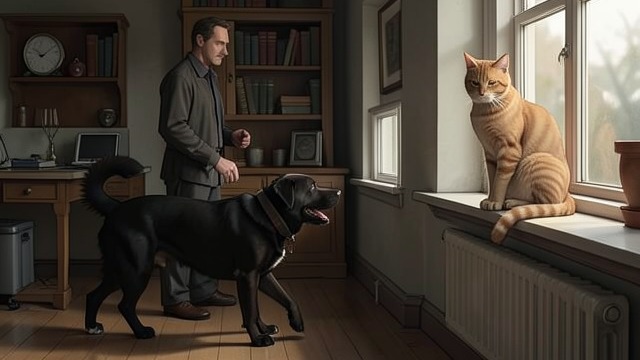
The speaker cautions that a cat is not a dog.
Dogs are described as more readily playful and responsive to calls.
This contrast challenges the assumption that every animal welcomes the same approach.
Limits of Generalization
Pekes are excluded as unusual canine cases.
Even the comparison admits exceptions within a broad category.
The speaker uses contrast to make attention to individual nature essential.
The Easy-Going Dog
The Easy-Going Dog
Familiar Reactions
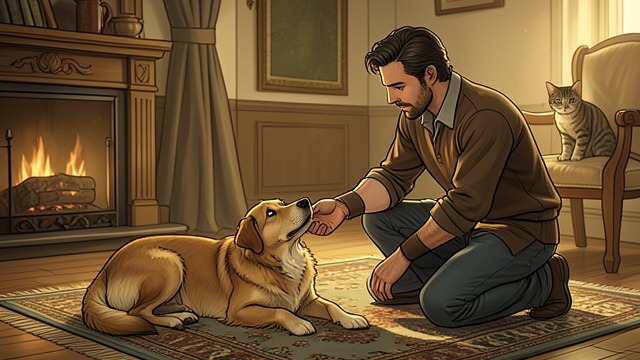
The ordinary dog is portrayed as inclined to clowning and easy amusement.
A pat, chin rub, or offered paw can prompt an enthusiastic response.
Such behavior makes dogs seem simple to approach.
A Necessary Distinction
The speaker returns to the difference between a dog and a cat.
The comparison is not a universal account of every animal.
It warns against transferring one creature’s social rules to another.
Respectful Formality
Respectful Formality
Familiarity Resented
Some believe that one should not speak until a cat speaks first.
The speaker rejects silence as the only proper response.
Instead, he recommends addressing a cat while remembering its resistance to familiarity.
A Formal Greeting
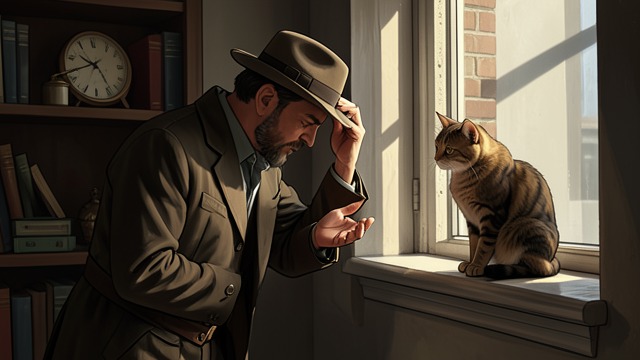
He bows, removes his hat, and offers the respectful form O CAT.
The exaggerated courtesy makes the cat’s dignity central.
A greeting becomes a performance of deference rather than ownership.
Trust and the Cat’s Name
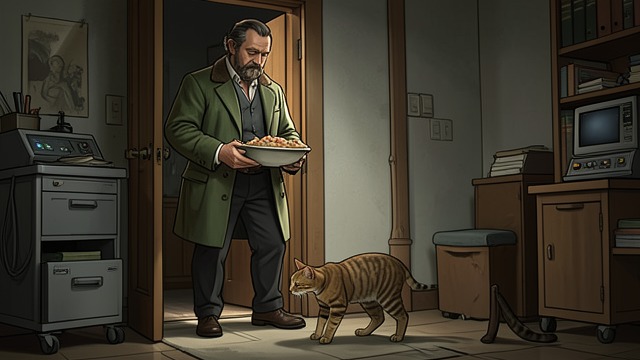
Trust and the Cat’s Name
Gradual Acquaintance
A familiar cat next door may receive a more relaxed greeting.
Yet even repeated meetings do not guarantee that the speaker knows its name.
Trust develops in stages rather than arriving through assumption.
Earned Recognition
A small token of esteem, often food, may help establish friendship.
Only in time does the speaker reach the cat’s name.
The poem resolves etiquette as patience, attention, and respect for preference.
At the opening of The Ad-dressing of Cats
At the speaker’s first rule
During the poem’s account of ordinary dogs
As the speaker states the rule for cats
In the poem’s closing advice
